The Untamed River: Keeping the Edisto Wild
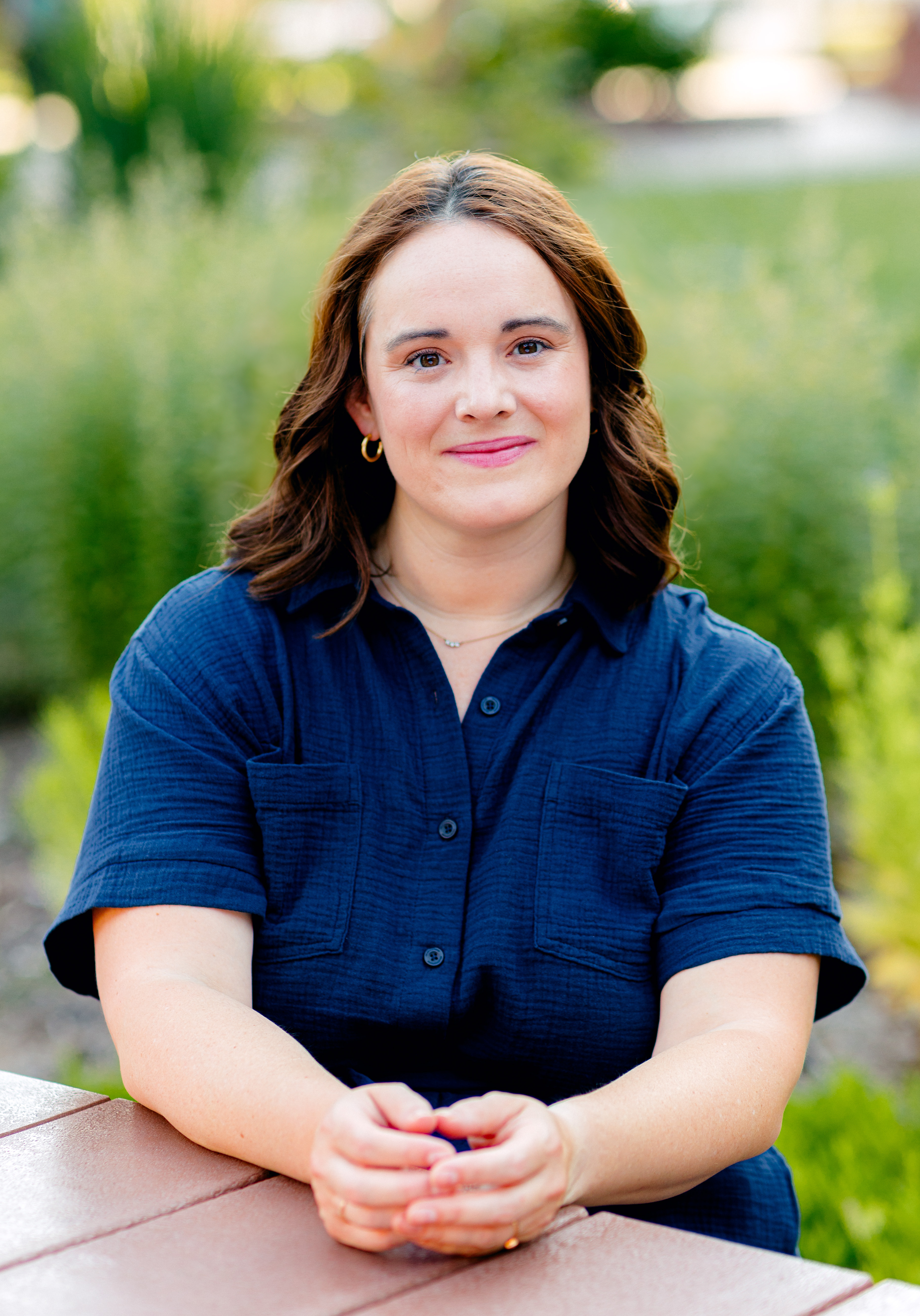
By Katey Rich
The water they call black water is really more the color of strongly steeped tea, or the darkest stripes of a pecan shell. It flows slowly but purposefully around cypress stumps, fallen trees and mossy banks, through a handful of towns but mostly untamed, swampy wilderness. It literally makes Aiken County, the eastern edge of the county is carved by the river boundaries, but often goes unnoticed, hidden beneath the canopy of trees that have protected it since long before anyone imagined such a thing as South Carolina could exist.
The Edisto River, in other words, is not many people’s first choice for beating the summer heat by getting out on the water. The bugs and snakes are legendary, maybe too legendary, if you ask people who really know their way around it and the only boats that can make it through are small and human-powered. There are vacation cabins and even some treehouses for camping overnight along the river, which starts from Aiken County and winds through Orangeburg and Colleton County before making its way to the ocean. But enjoying the Edisto isn’t the same thing as enjoying the beach or a lake. You don’t escape the summer on the Edisto; you lean into it, sweat through it, feel it the way people have for centuries.
For the people who run the nonprofit organization Friends of the Edisto, as well as anyone who takes their kayaks and canoes to the river access at Aiken State Park, that’s the only way they’ll have it. “People who know the Edisto, they cherish it,” says Meg Adams, the deputy director of the nonprofit organization Friends of the Edisto (aka FRED). “It's an absolute gem in South Carolina, especially for people who live on it or grew up on it. People have strong connections to that and I've never seen anything like it.”
The Edisto River, in other words, is not many people’s first choice for beating the summer heat by getting out on the water. The bugs and snakes are legendary, maybe too legendary, if you ask people who really know their way around it and the only boats that can make it through are small and human-powered. There are vacation cabins and even some treehouses for camping overnight along the river, which starts from Aiken County and winds through Orangeburg and Colleton County before making its way to the ocean. But enjoying the Edisto isn’t the same thing as enjoying the beach or a lake. You don’t escape the summer on the Edisto; you lean into it, sweat through it, feel it the way people have for centuries.
For the people who run the nonprofit organization Friends of the Edisto, as well as anyone who takes their kayaks and canoes to the river access at Aiken State Park, that’s the only way they’ll have it. “People who know the Edisto, they cherish it,” says Meg Adams, the deputy director of the nonprofit organization Friends of the Edisto (aka FRED). “It's an absolute gem in South Carolina, especially for people who live on it or grew up on it. People have strong connections to that and I've never seen anything like it.”
FRED is part of the national organization Waterkeeper Alliance, and works, quite simply, to protect the Edisto River, the longest free-flowing blackwater river in North America, in any way they can. On a day-to-day basis much of that responsibility falls to Hugo Krispyn, who lives on the North Fork of the river near Batesburg and is the person quite literally on call when something gets into the river that shouldn’t be. For example, Meg tells me, “A while back someone found a bunch of dead chickens on the river, so they reached out to Hugo.”
Hugo says he’s glad to be the one to receive those calls. “I’m sort of the poster child for the river,” he told me, on the same call with Meg. “We are dedicated to the proposition that the Edisto ought to remain drinkable, fishable, swimmable and sustainable. Pretty much anything that goes to that mission is on my plate.”
Much of Hugo and Meg’s mission operates on a high level, protecting the Edisto from industrial-grade pollution or development, like a proposed gas plant that could be built in the next few years around Canadys, in Colleton County. Unlike the Savannah River on the other side of Aiken County, the Edisto is remarkably undeveloped; look at satellite photos on Google maps and you’ll see the ribbon of green that surrounds the river as it winds its way to Edisto Island and the sea beyond it.
As the state grows, so do attempts to harness the river and its water. “We would like to see it stay as wild and untrammeled as it can be,” Krispyn tells me, acknowledging that they are not likely to win every fight on the river’s behalf. “But no matter how many times they knock us down, we're going to get back up.”
In Aiken State Park, however, you can see the Edisto as FRED intends it to be, as it’s been for centuries. I drove out there with my two sons and my dad in early April, passing brand new horse farms and expansive cotton fields on the way to the park that feel like the best escape you can get without crossing county lines. I vividly remember my father taking me there to canoe down the river when I was a child — it was the inspiration for this entire story, the memory of a river that almost felt like a secret, slipping beneath the hushed cover of the trees. As far as my dad remembers, though, he only took me canoeing there once, which goes to show you just how memorable an afternoon on the Edisto can be.
We didn’t have time to launch a canoe that afternoon, but my boys stuck their feet in the dark water and splashed in the artesian well by the boat launch, one of many spots in Aiken County where fresh, delicious spring water just spills out of the earth. The river is so twisty that you can’t see it for long before it disappears around another stand of cypress trees, which only adds to the mythical appeal. It’s so easy to stand there and imagine a canoe full of Native Americans from the Edisto tribe making their way down the river hundreds of years ago, or the members of the Civilian Conservation Corps who built cabins and helped tame the river in the 1930s.
When I caught up with Meg and Hugo a few days later, Hugo reminded me that the Spanish explorer Hernando de Soto crossed the Edisto in the 1500s — but not all that successfully. “Can you imagine 300 Spaniards, with another few hundred Native Americans accompanying them, with horses and pigs and dogs and wool clothing and leather shoes in cold flooded spring Edisto?” Actually, you really can imagine it, Hugo continues. Standing on the banks of the Edisto now, “400-plus years later, you can basically see what they saw. You can feed the descendants of the mosquitoes that fed on them.”
Both Meg and Hugo are dedicated to making sure people know more about the threats currently facing the Edisto, as complex as they can sometimes be. We spoke just a few days after FRED hosted a springtime oyster roast, featuring oysters from the lowcountry basin where the Edisto ends. “Everybody loves a good oyster roast,” Meg says, “but not everybody knows about the work that we do and the current threats that the Edisto faces.”
But you don’t have to be an official Waterkeeper — that’s the actual title Hugo has — to take care of the Edisto River. “This is citizen science,” Hugo tells me, pointing to the South Carolina Adopt-a-Stream program as a way for anybody to get involved in water protection, no official title or science degree required. “One of the things that I really want us to do more of is getting kids involved. If the kids get involved, their parents get involved. That’s the way you actually build momentum and a movement and have people actually see the value that the water system has when it’s properly cared for.”
When they’re not speaking at public forums or getting the word out about environmental regulations, Meg and Hugo can often be found on the Edisto, Meg in the company of her scruffy dog Watson. (“He is happiest when he’s on the Edisto in a boat,” she says). In the end, both Meg and Hugo believe actually spending time on the water is the best way to get anyone to fall in love with it.
“Once you get out there, it just has this special kind of magical feeling to it,” Meg says. “It's kind of swampy and dark, it's much more intimate. It's just very untouched, and we want to keep it that way.”


Comments